“You never change things by fighting the existing reality. To change something, build a new model that makes the existing model obsolete.”
Buckminster Fuller
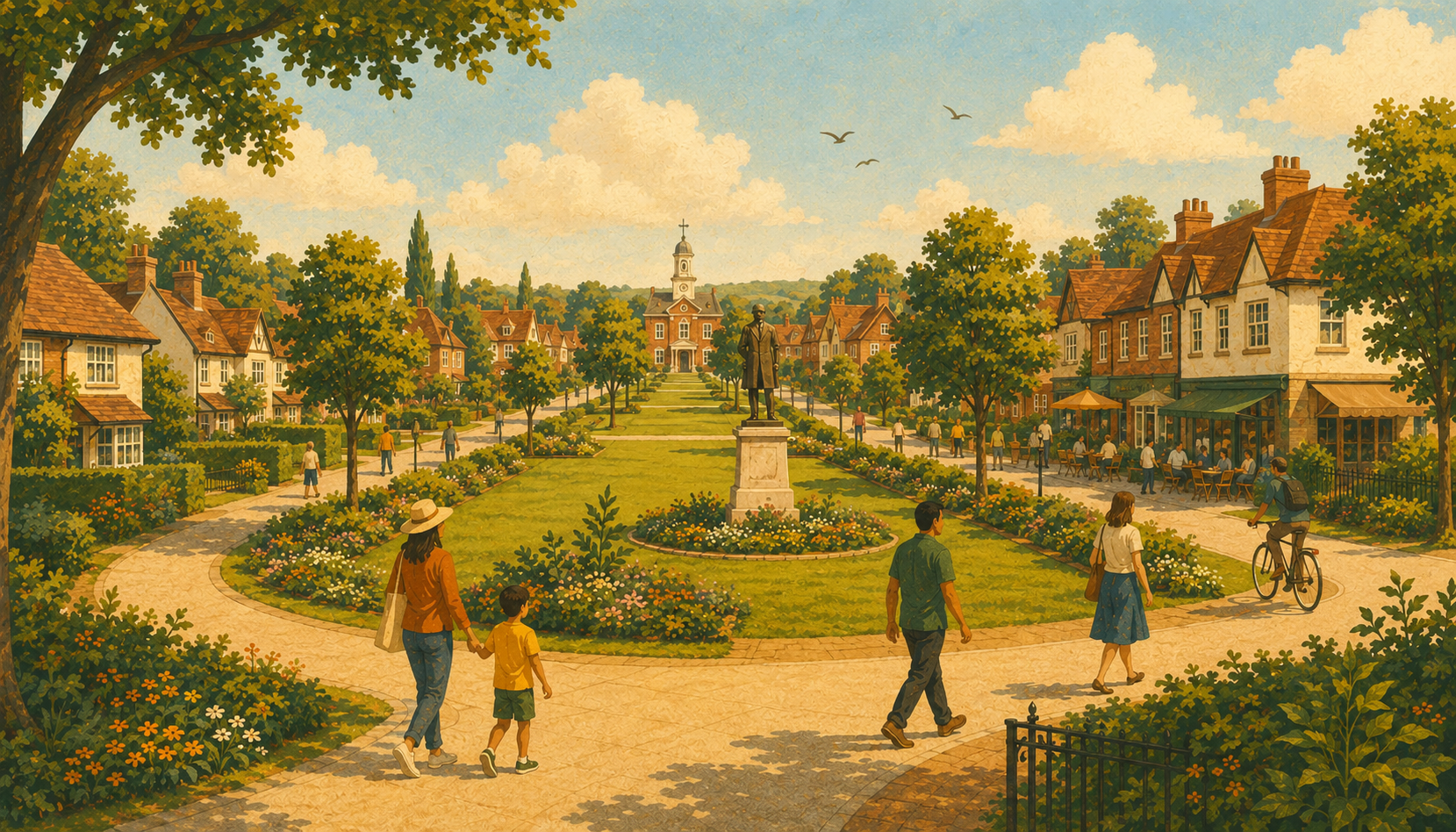
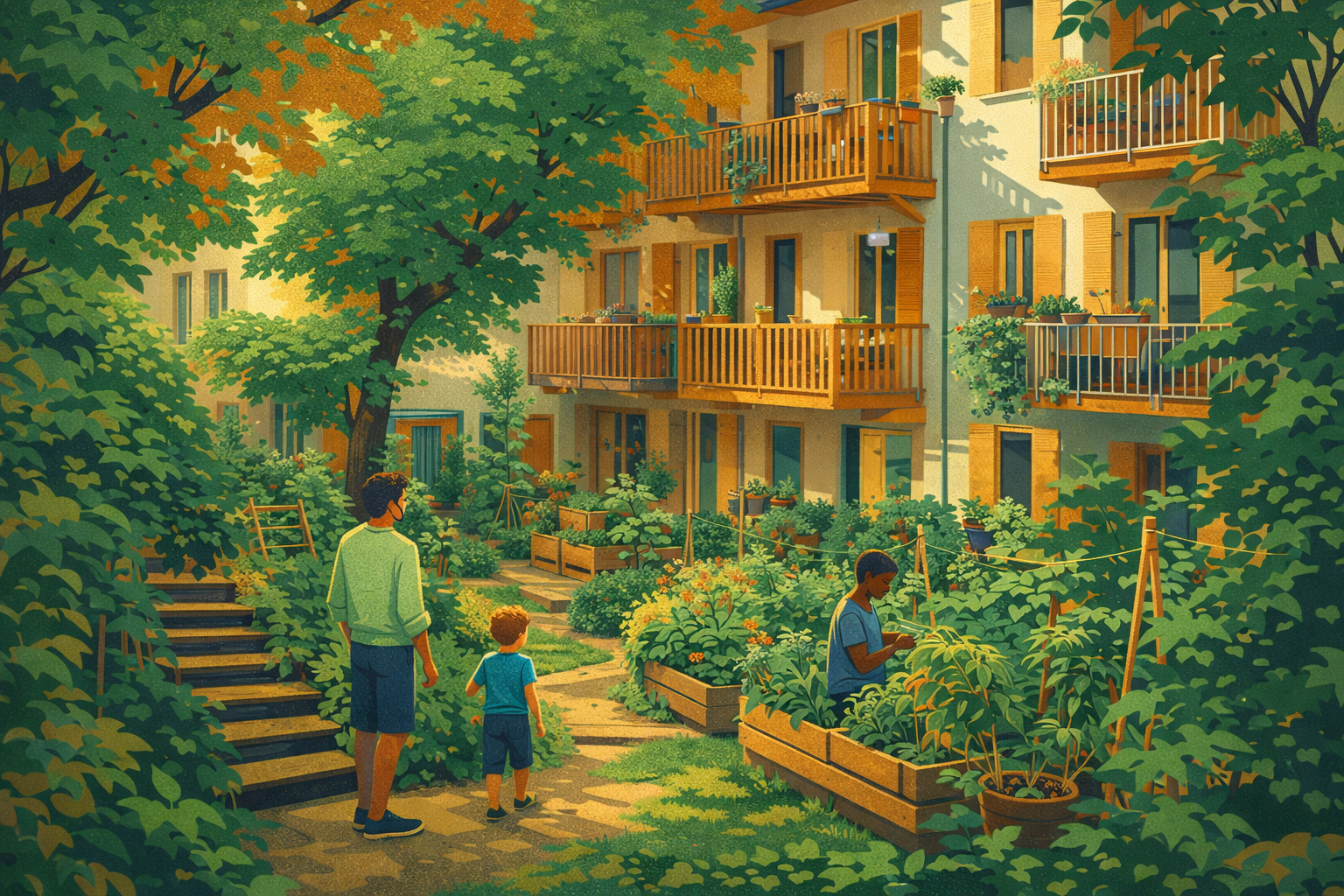
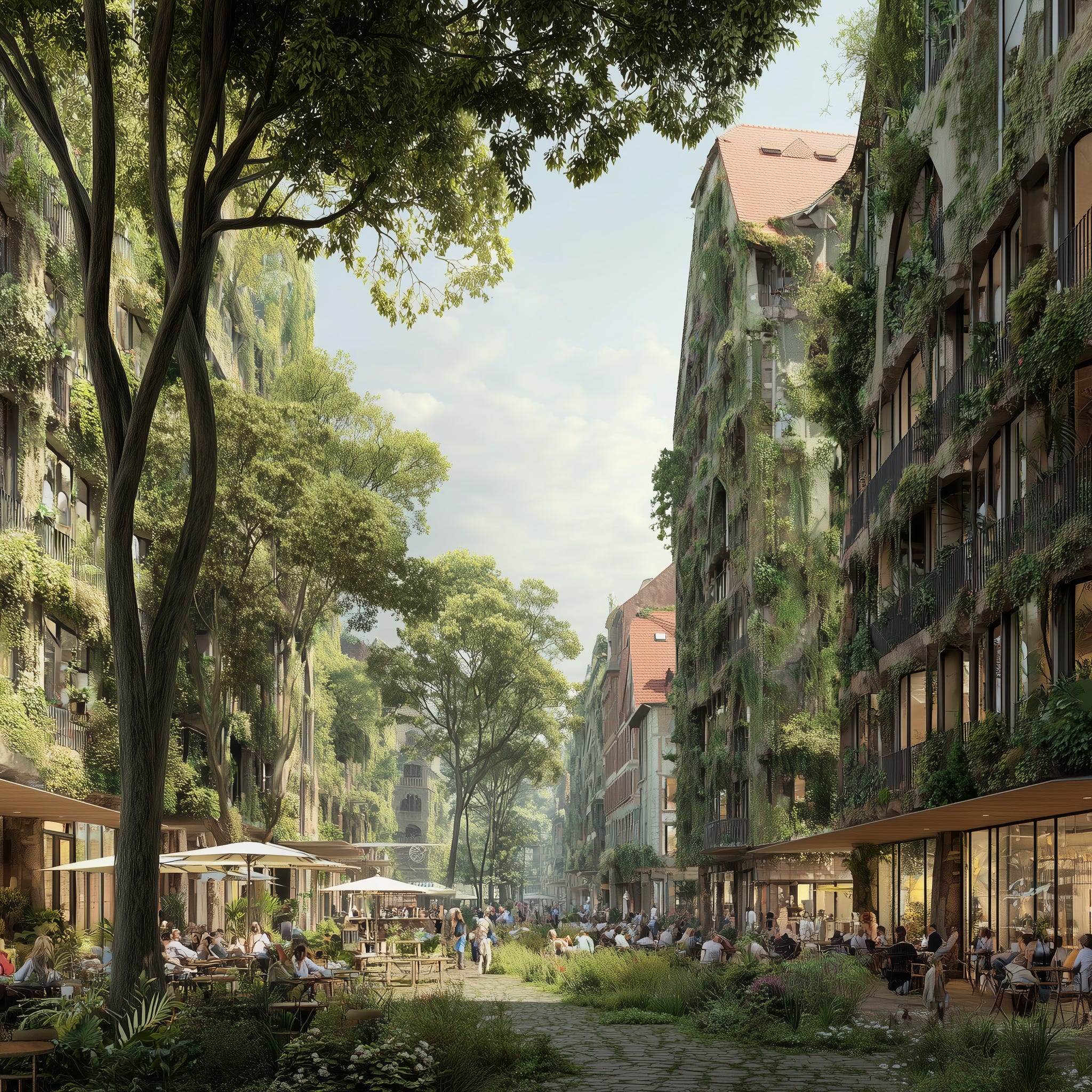
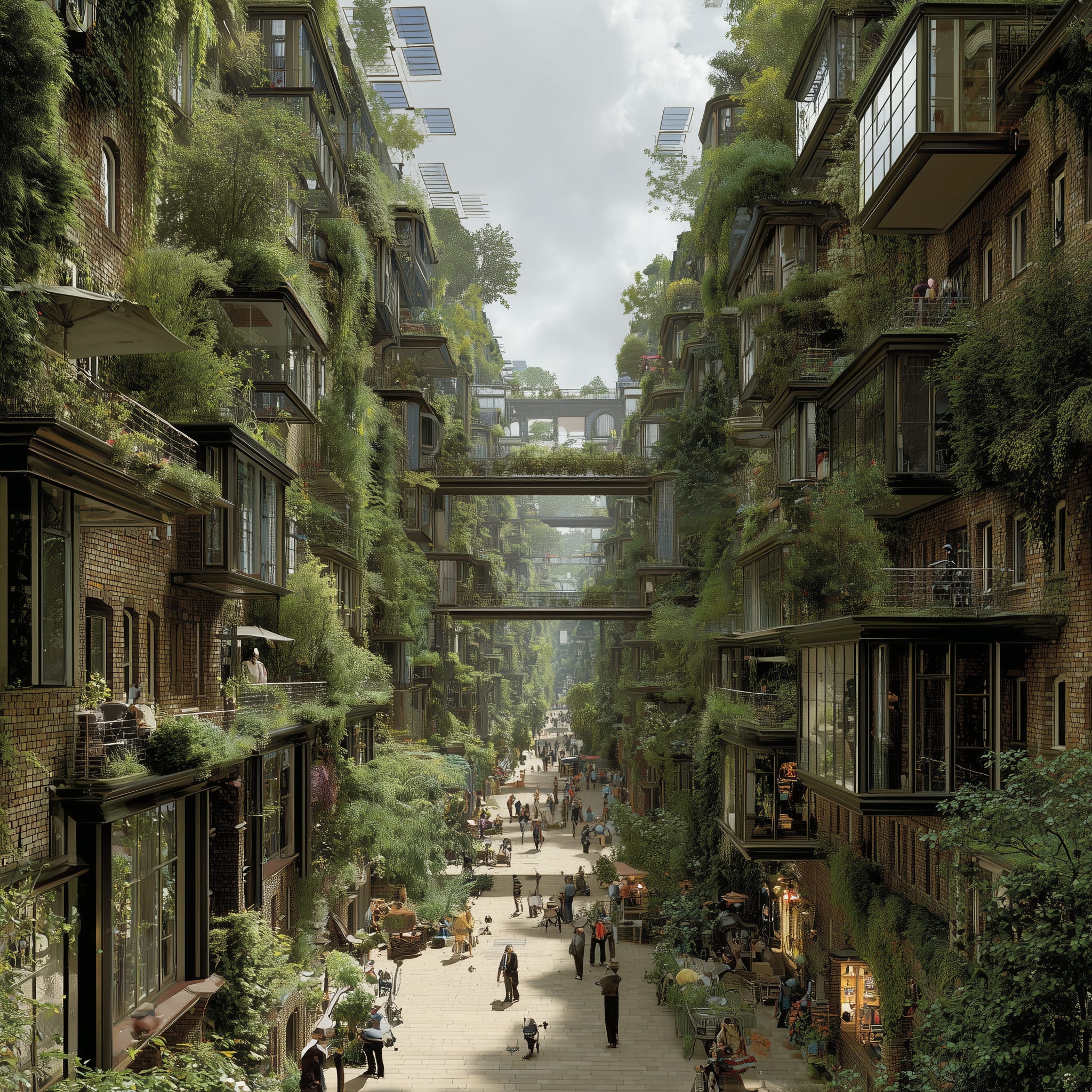
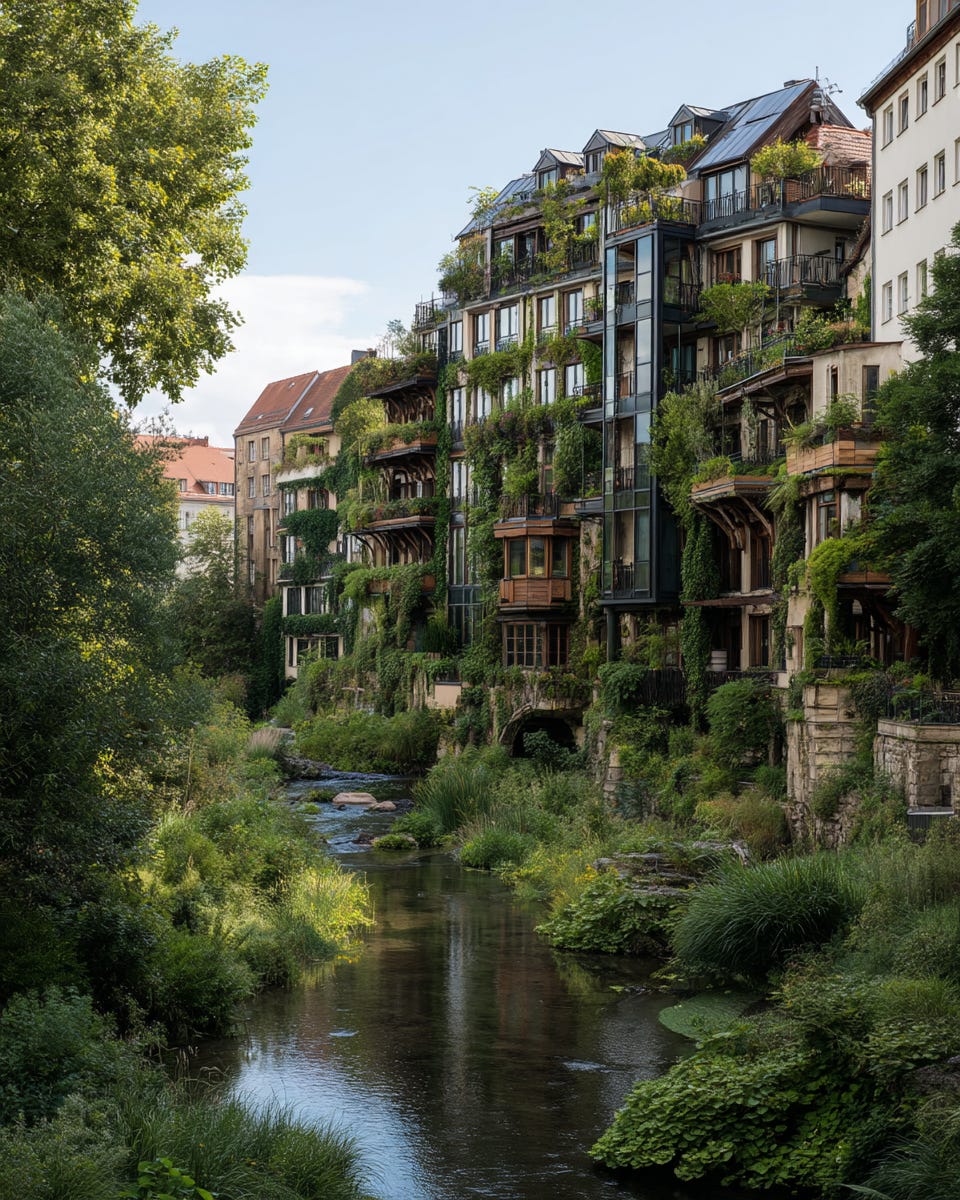
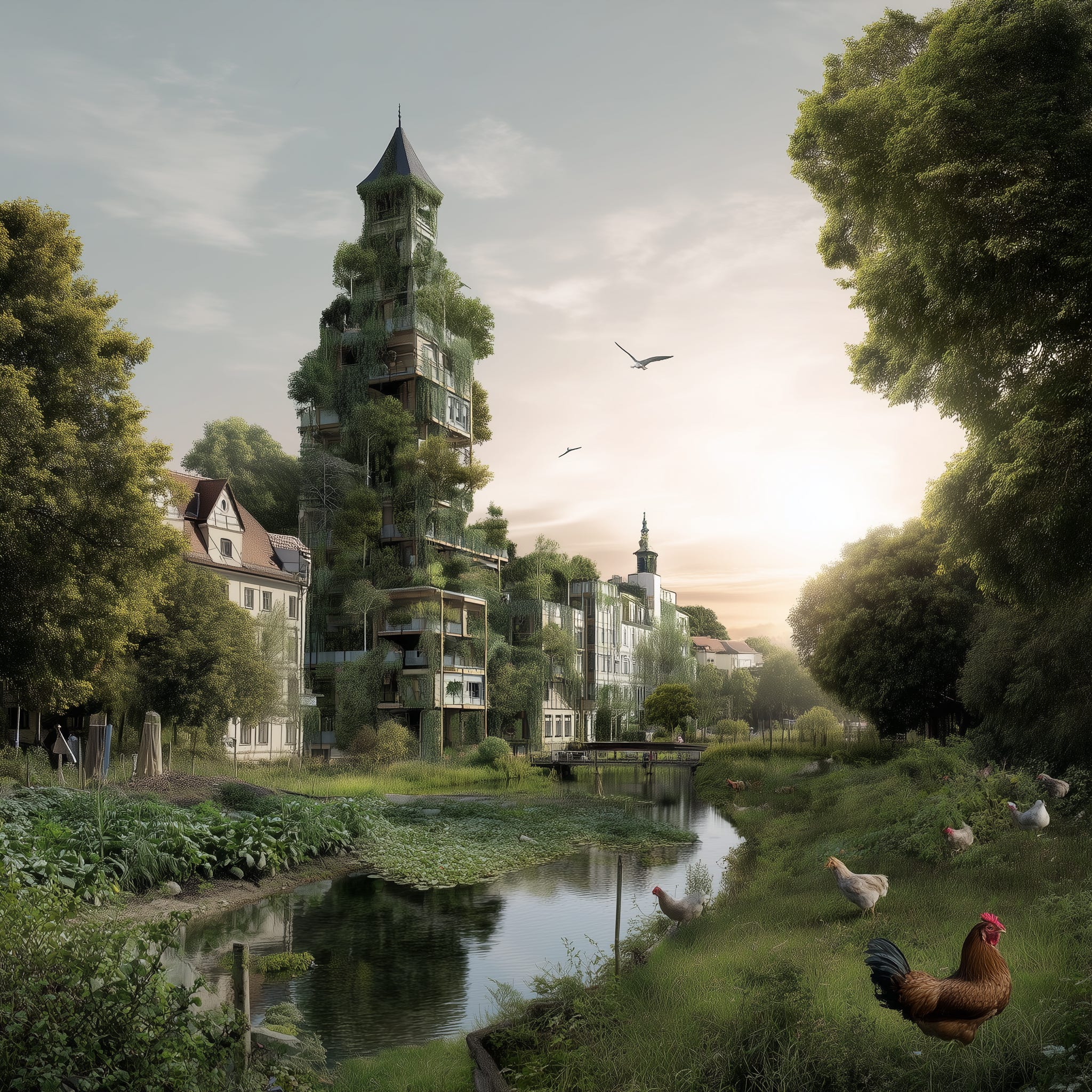
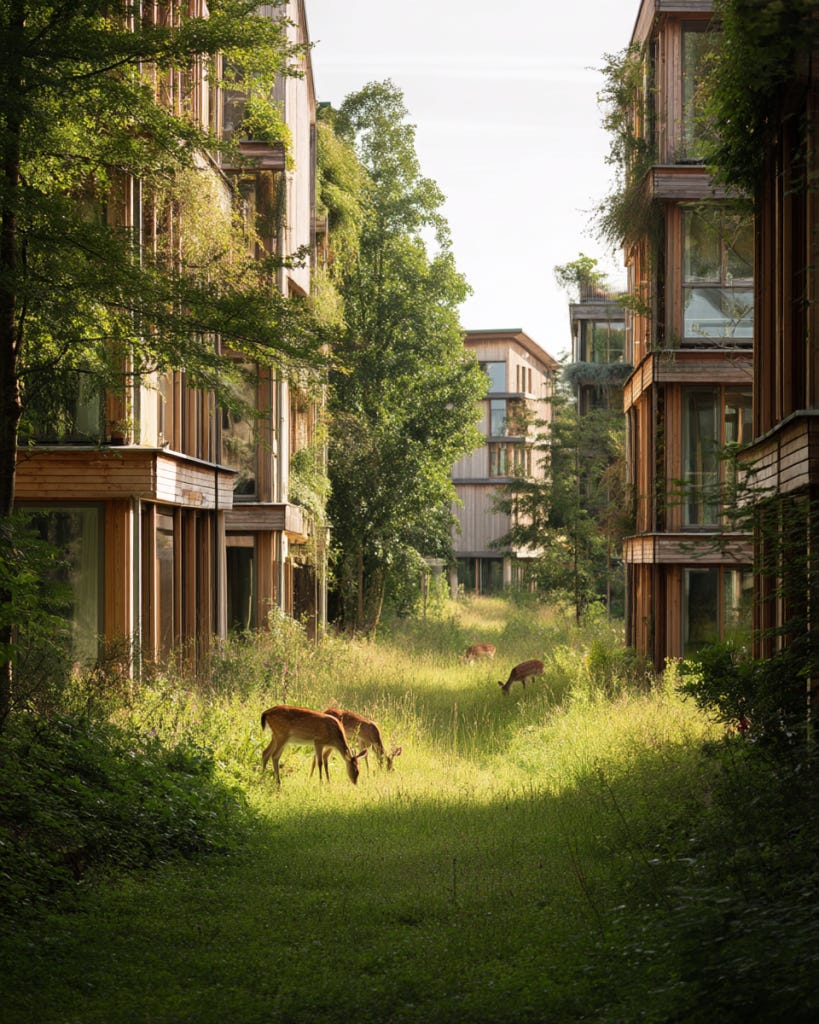
This quote by American architect, designer and writer Buckminster Fuller is the inspiration for the artist Ulrich Schmitt. With the help of artificial intelligence, he has created a vision of a green, sustainable Nuremberg. In his model-making, the German city suddenly boasts lush plants and forests, almost no cars and concrete, but lots of trees.
The green oasis is a welcome vision. “I don’t believe that more technology, such as air conditioning, is the solution in our world for climate change,” the artist says. Instead, he advocates for trees as key urban infrastructure, capable of cooling and shading the city in summer.
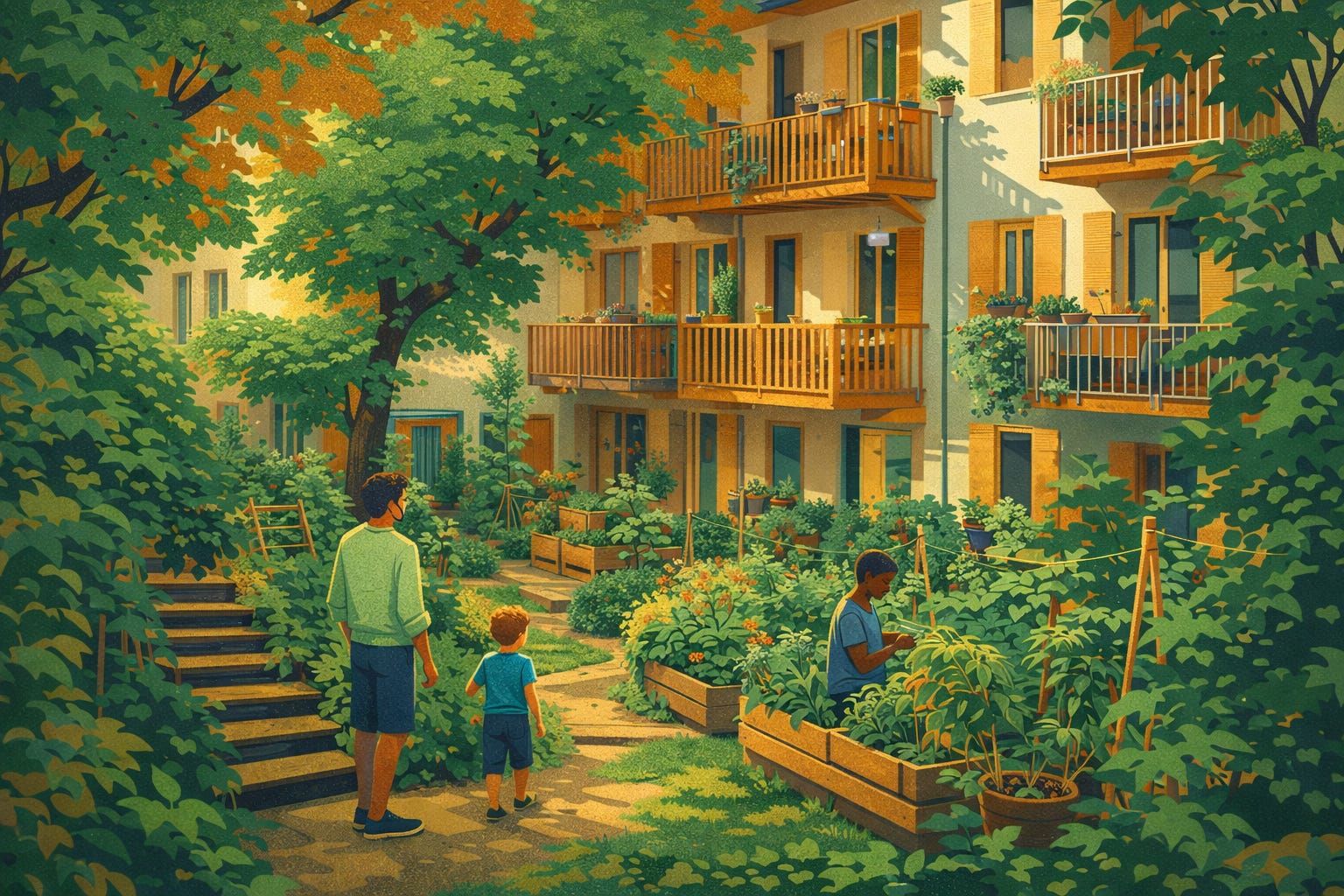
A colourful office for the future
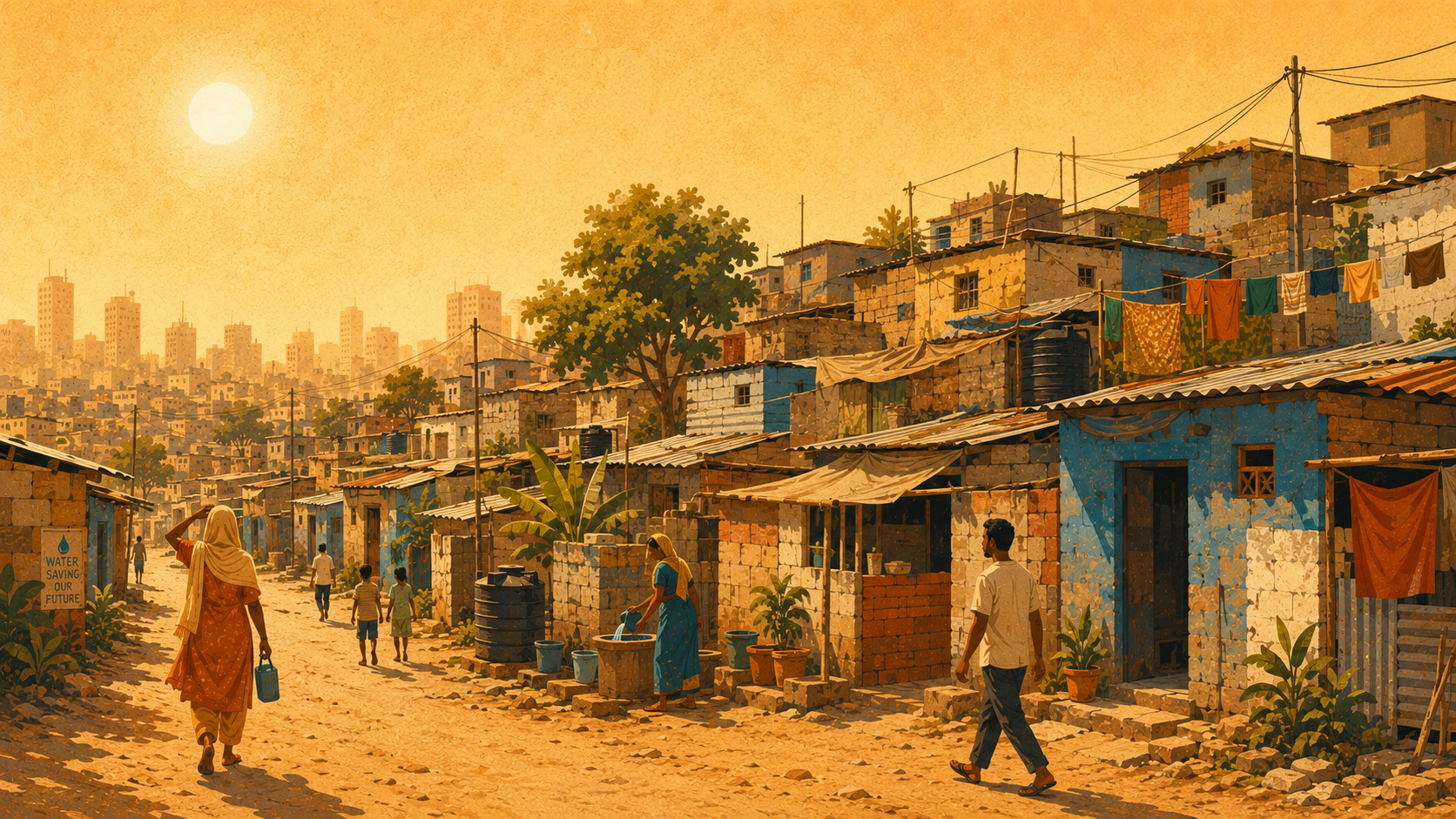
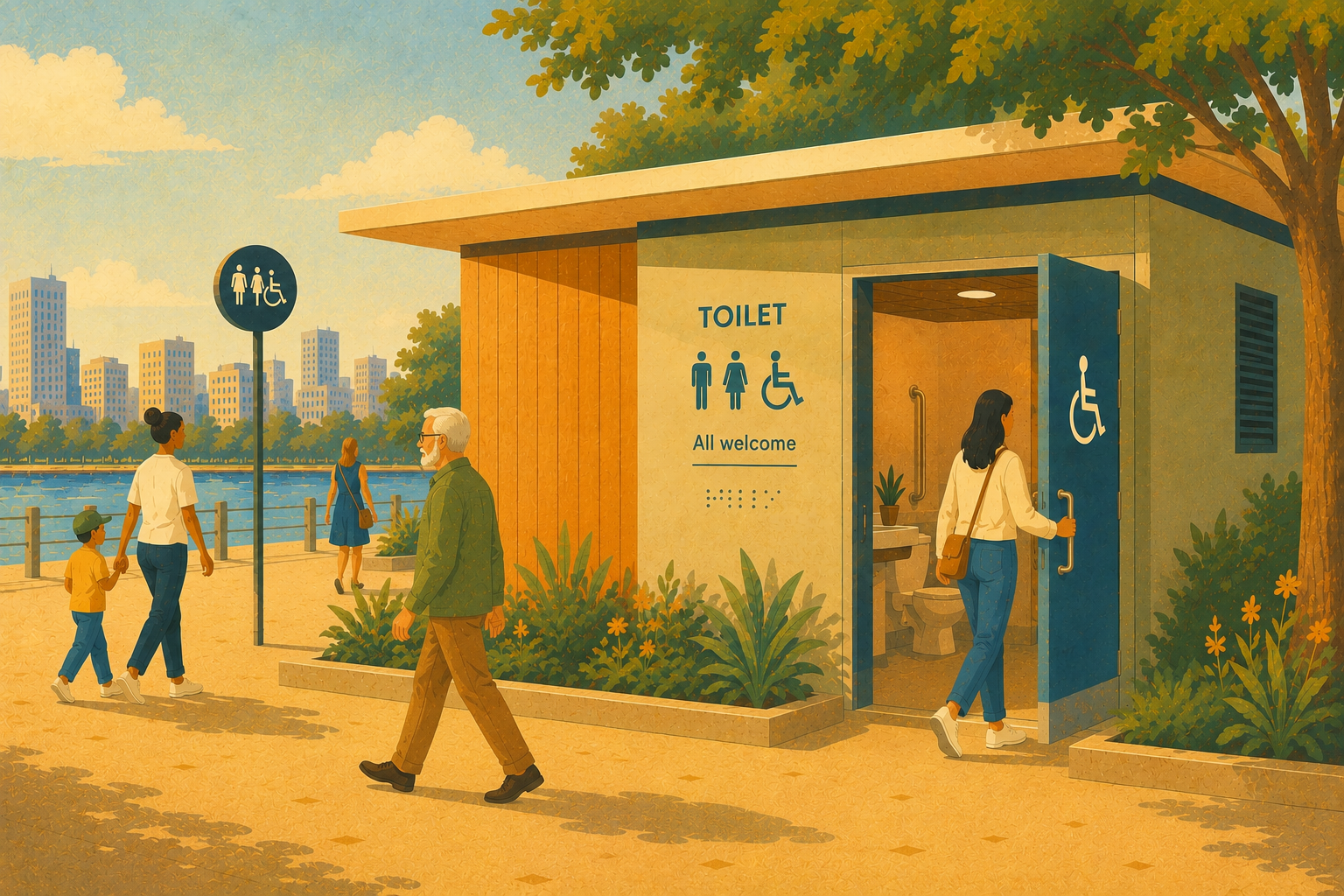
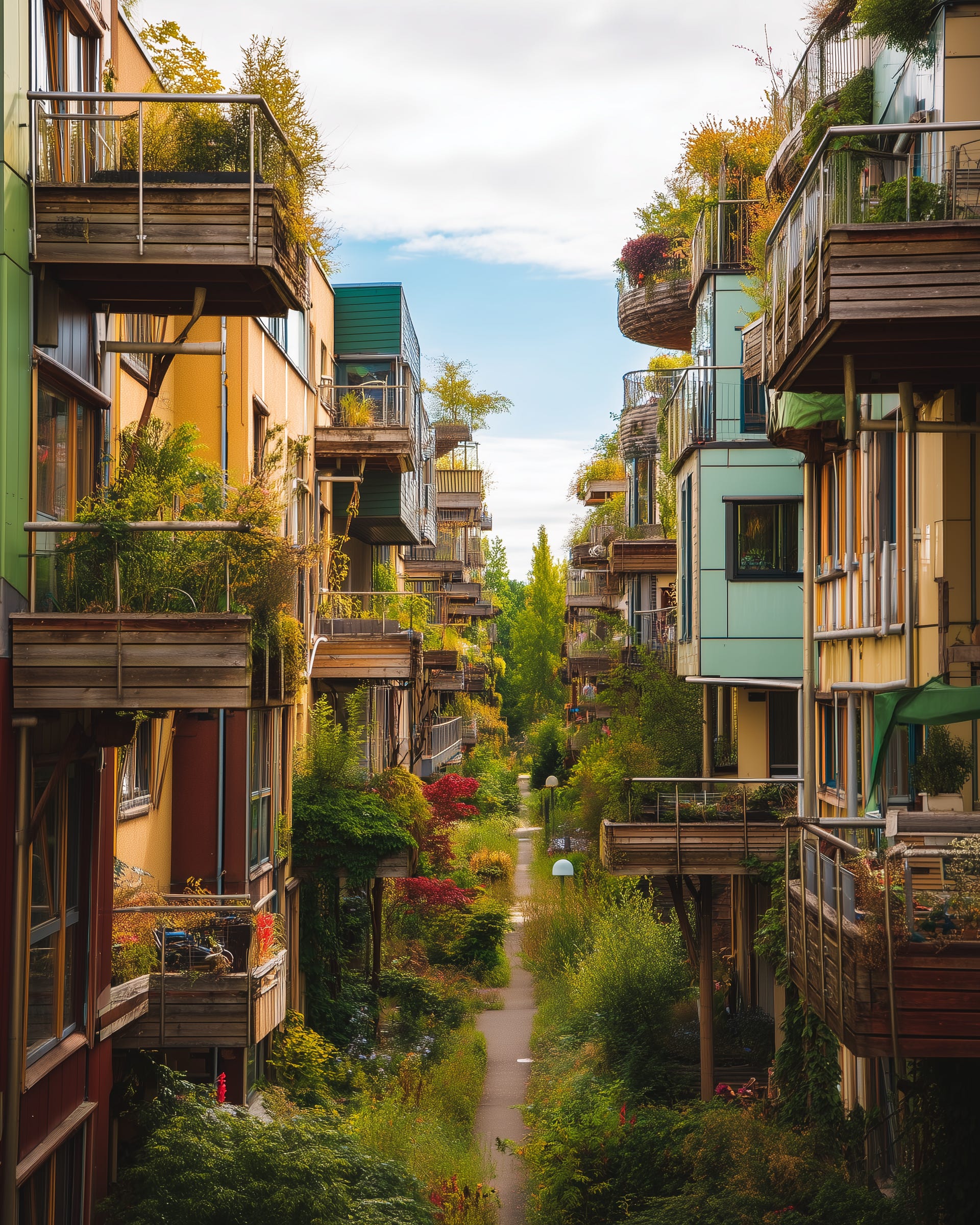
Schmitt shares his work on the Instagram channel Buntes Amt für die Zukunft Nürnberg, a wordplay on Bundesamt (Federal Office) that translates loosely as “Colourful Office for the Future of Nuremberg”. Based on city data and his own ideas of a climate-adapted city, the artist creates visual models showing everything from historic buildings embedded in urban jungles to overground trains, play streets, residential areas and expanded cycling infrastructure.
“I want to invite people to think differently about the future – or at least to start thinking and to lay the groundwork for change. Too many people only think about what we can lose. I think that we have a lot to gain, such as beautiful greenery and much improved streets.”
Uli Schmitt
A local exhibition showed his work in Nuremberg in 2024 and attracted attention well beyond the city. In 2030, Nuremberg will host Germany’s national garden exhibition. Until then, the city aims to implement a master plan for green spaces. Schmitt’s images offer encouragement and a visual reference for what this could look like in practice, for example by turning parking lots into parks.
Between utopia and policy
While a completely car-free Nuremberg still seems utopian, Ulrich Schmitt’s ideas have resonated with local government officials such as environment councillor Britta Walthelm. Other German politicians have shared his images as well, underlining their value as tools for communication and public engagement.
Producing the images is labour-intensive and time-consuming. As AI tools continue to develop, however, the visual quality has steadily improved. Once interest in Schmitt’s green utopias picked up and local news reported, the images began to circulate widely online. The Instagram channel grew quickly, suggesting that virality itself can function as a form of informal civic participation, allowing people to engage with the potential of planning ideas.
A collective imagination of the future
“We pretend that this exists already,” Schmitt says, describing an approach that treats imagined futures as something tangible rather than abstract. By visualising a greener city as if it were already real, the images make long-term planning goals easier to grasp and discuss.
Schmitt creates the images in his free time. Maybe one day he will write a book. For now, he works as an art and crafts teacher, often generating new scenes on the train while travelling home from work.
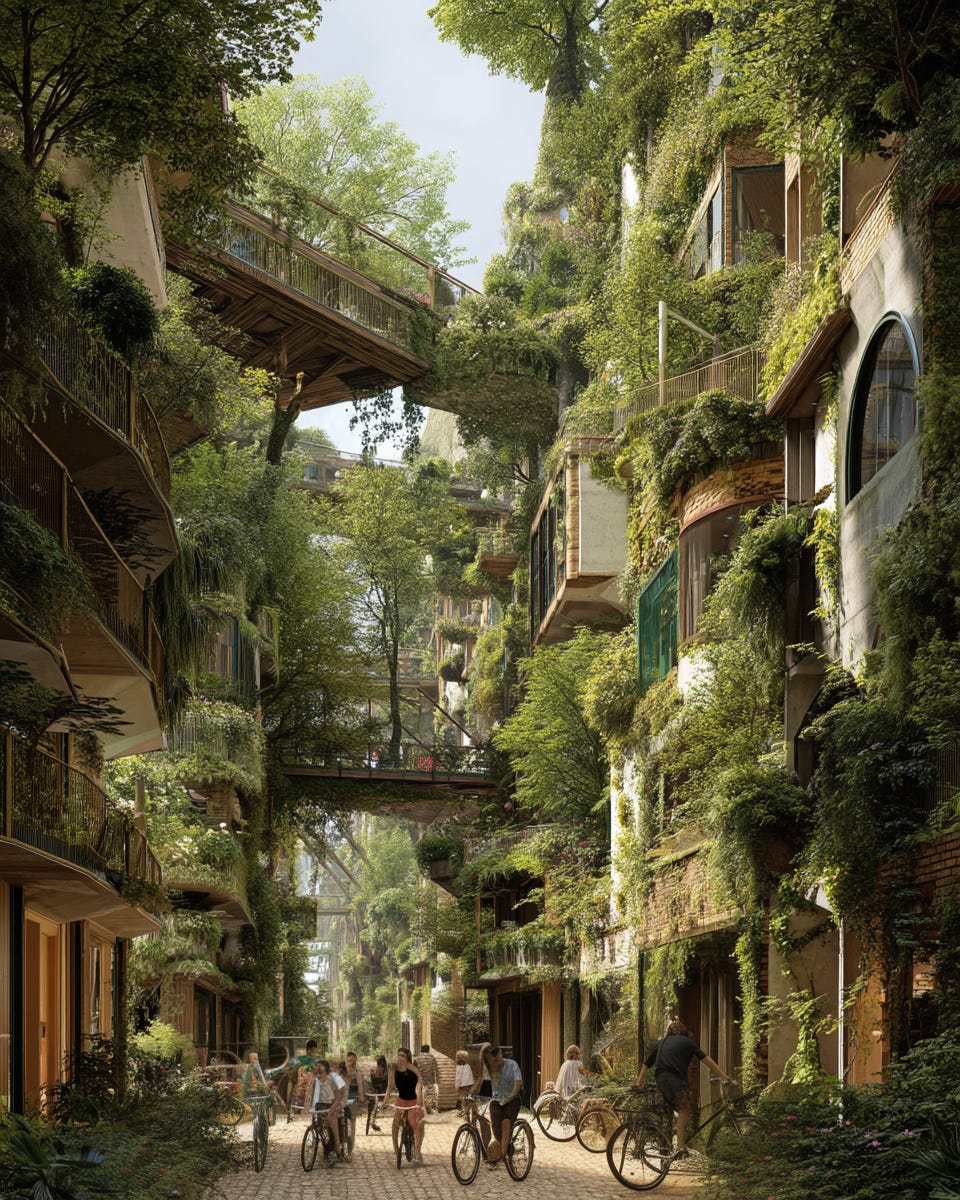
Nuremberg was a good place to start, he explains. Visually, its red sandstone and distinctive architecture translate particularly well into AI-generated imagery. In other cities, similar visuals can quickly become generic. Even so, Schmitt believes this approach has broader potential. “I’m surprised when I look at the comments on social media,” he says. “There is very little outright criticism. People seem to connect emotionally.”
He hopes that this kind of future-oriented communication can help bring people together around a shared vision – and make greener cities a kind of self-fulfilling prophecy.
Read more here: https://bazn.org/
And by the way, there are still some spots available for next week’s free Urban Solutions Journalism Academy. Get your ticket