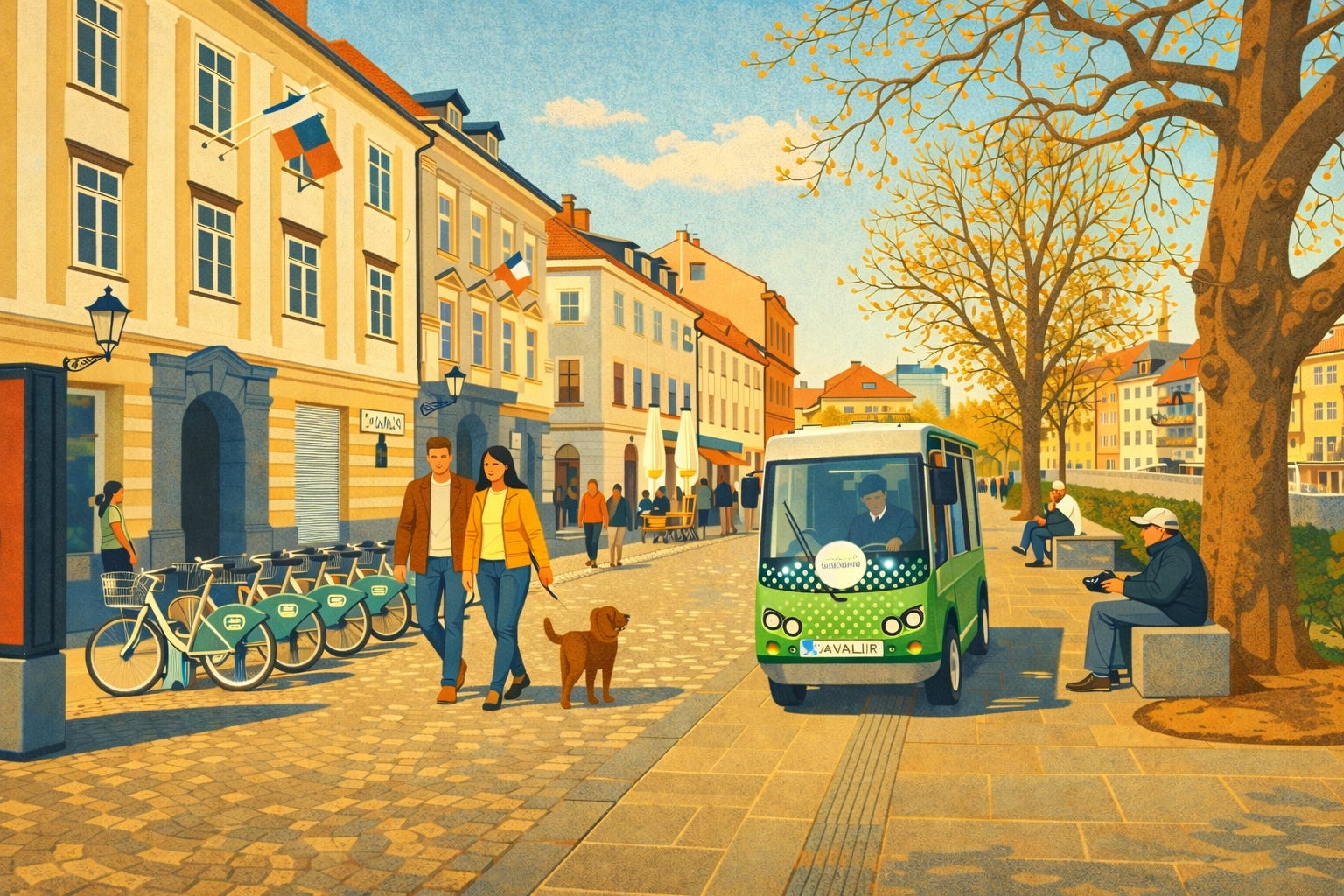

There is only one four-wheeled vehicle in Ljubljana’s city centre: The electric “Kavalir” (cavalier or gentleman) vehicles offer an accessible option for getting around the Slovenian capital, whose old town has been pedestrianised for almost 20 years. For the elderly and those who are less mobile, the local public transport company is offering these free low-floor buses with audio and video announcements. You can flag them down or call them to be picked up. Seven of these vehicles zip through the cobbled streets. They each take up to five people and there is no specific route. You simply tell the driver where you’d like to go within the central zones. Up to 300 passengers a day, from 6am to 10pm, can benefit from the Kavalirs.
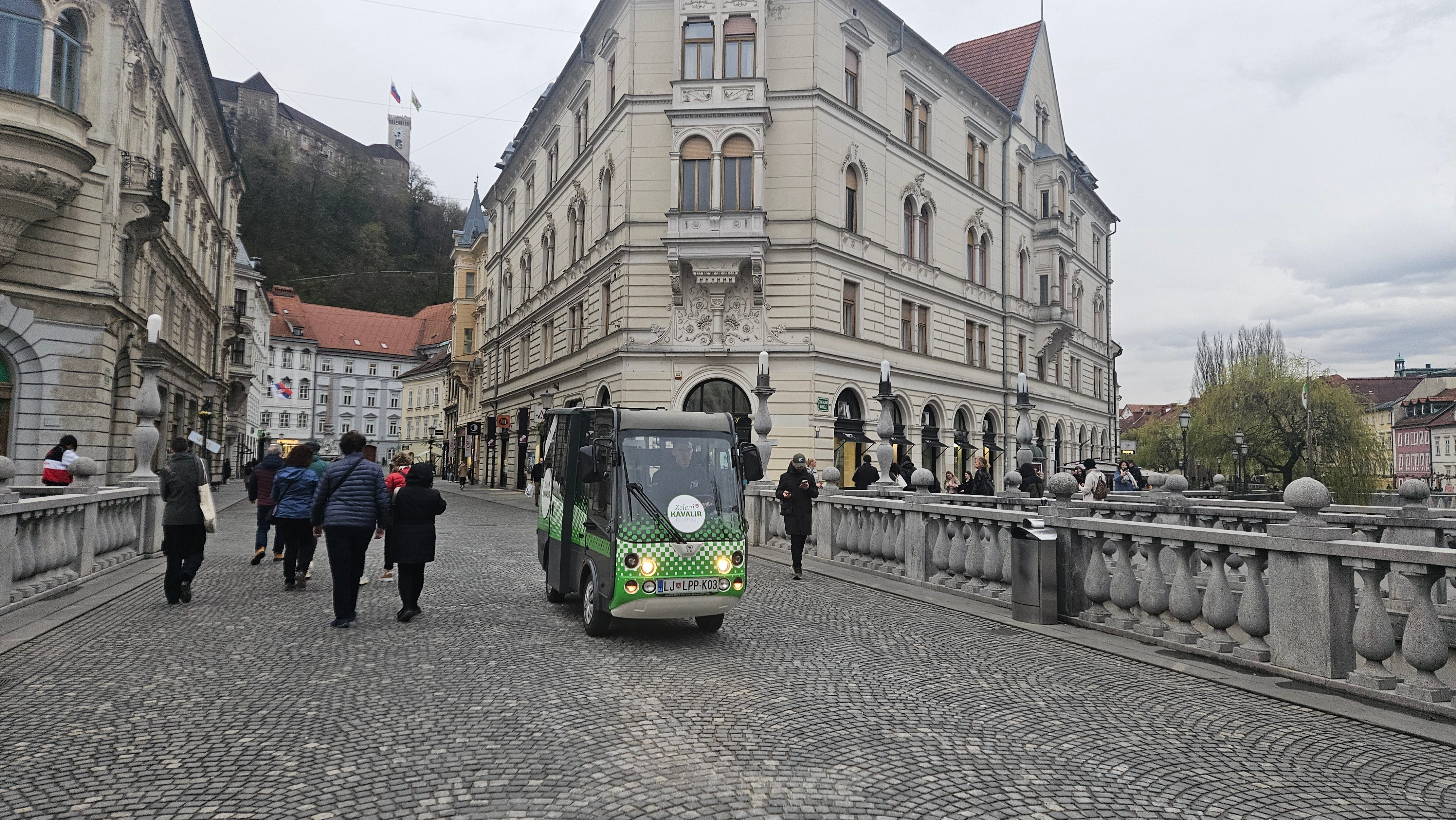
This is just one of many examples of how Ljubljana is implementing a true transformation. Dejan Crnek, the city’s deputy mayor, explains that the planning approach is all about passion for people’s wellbeing: “You can feel warm in Ljubljana” – this goal is certainly present in the Slovenian capital, where I felt very welcome as a pedestrian. “We want people to want to live in Ljubljana”, Crnek adds. As a pedestrian visiting the city, I can definitely feel the warmth, the ease of moving around, and the joy of having all my pedestrian needs met.
A city for people instead of cars
Ljubljana had many lessons for the Urban Future participants. The conference aims to show ways of creating better cities and picks its host cities accordingly, so let’s take a closer look at Ljubljana’s success. The city started its campaign to remove cars from the historic centre in 2007. It was deeply controversial back then, for all the usual reasons: Shopkeepers feared for their clientbase, residents worried about less parking spaces, drivers felt threatened. But now, almost 97% of the city’s inhabitants oppose the idea of bringing cars back – an impressive number.
The key to this success story was a long-term strategy called Vision 2025, built around the simple idea to design a city for people, not for cars. It did not aim to punish drivers, but instead to improve the quality of life for everyone: cleaner air, safer streets, less accidents, more and better public spaces. Step by step, central spaces such as Prešeren Square at the heart of the old city were pedestrianised. Urban planners also redesigned major traffic arteries, including Slovenska Cesta, keeping access for residents. Deliveries are still possible in city centre at certain hours, but they are strictly regulated.
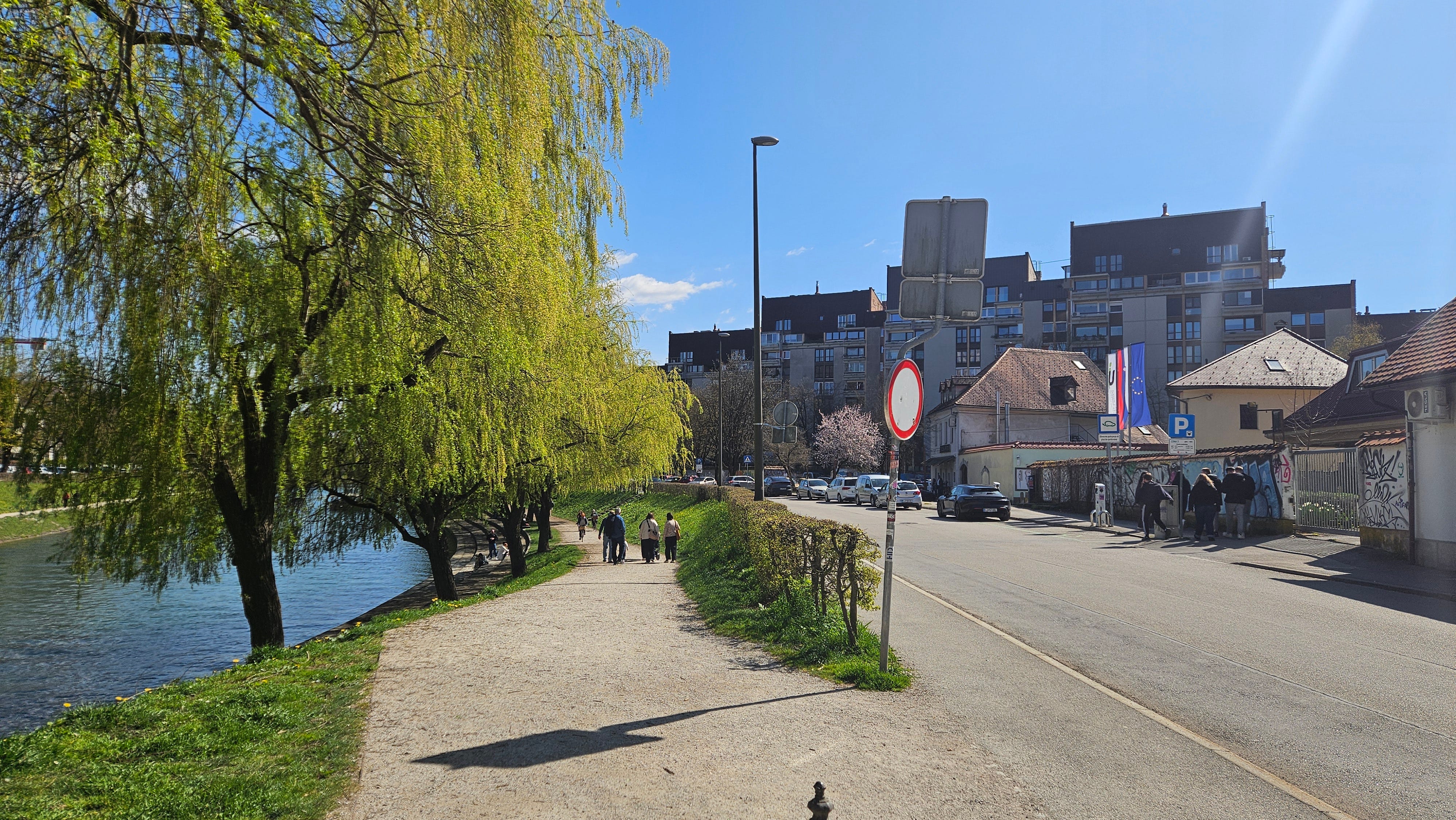
The city offers alternatives, for example the Kavalir vehicles. There are also park-and-ride facilities in several places at the centre’s edge; bus services were improved; and the bike-sharing system is widely used. This means that an overall mobility upgrade made the pedestrianisation of city centre possible. Instead of removing options for mobility, Ljubljana offered better alternatives.
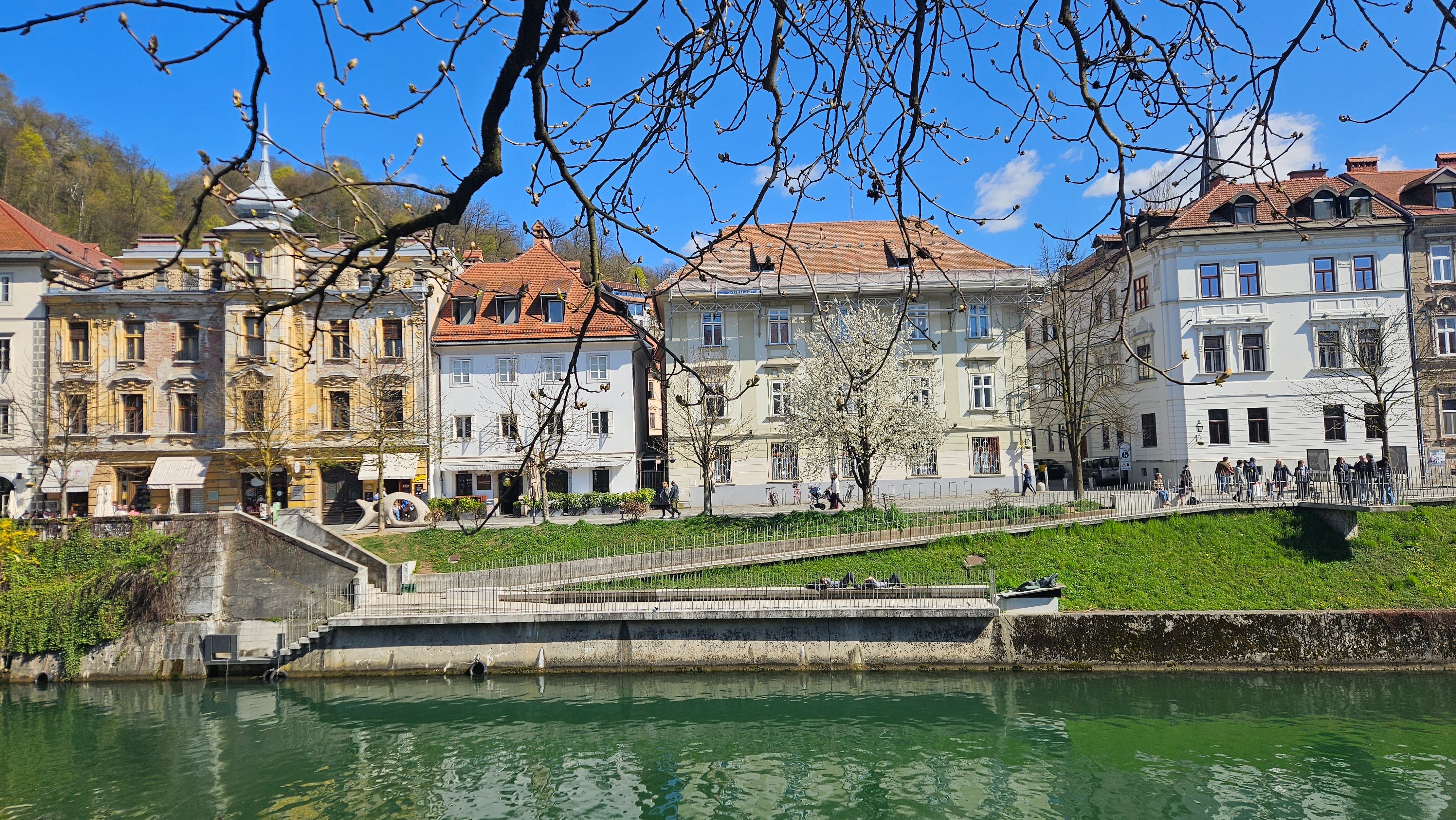
Now, Ljubljana benefits from lower noise levels, much improved air, business thriving on foot traffic, and many attractive public squares filled with cafés, markets, and different events throughout the year. The riverbanks of Ljubljanica, the local river, have also seen major improvements and are now very inviting. Perhaps the best indicator of Ljubljana’s success is that Mayor Zoran Janković, the driving force behind the pedestrianisation, has been re-elected four times.
From backlash to civic pride
The Slovenian capital is working to expand its success into other areas of the city. There are new challenges, says Vita Kontić Bezjak, Public Relations and Mobility Advisor for the City of Ljubljana. “Our pedestrianised area is now 20 hectares large and still expanding. We run a lot of citizen engagement activities to extend the pedestrian zone to other neighbourhoods, including providing new spaces between buildings, introducing benches designed to offer stimulate social interaction, and improving pavements.”
However, even with the example of city centre, not everyone is on board: In the residential area Štepanjsko naselje, there have been passionate debates about removing parking or making it paid. “We used to have free residential parking here, but it got used by other people, so we introduced paid parking while keeping free spots for residents”, she explains. This has angered people who don’t always see what is in it for them – a challenge that is common when pedestrianising an area or taking away parking lots. Ljubljana is hoping that the new public spaces, green areas, and more room for socialisation will convince everyone soon. As always, even with perfect planning, people’s minds can change – making citizen engagement even more important, Vita Kontić Bezjak reflects.
Lessons for other cities
Ljubljana was an early mover for pedestrianising a large part of its centre. Already, it offers many lessons, especially in creating civic pride out of initial fear and backlash. Phased change with good alternatives and visible improvements will sway even the worst critics’ opinions eventually, which needs courageous, curious, and patient leadership that listens to citizens first before taking things away. It will be interesting to keep an eye on Štepanjsko naselje. In the meantime, the city is well worth a visit, both as a case study and as a warm, welcoming place for a holiday.
Thank you to my interview partners and to Urban Future for the press pass. Beyond learning about Ljubljana, I also attended fascinating sessions around trees, wooden construction trends, and green and blue spaces.