
I have been to three WUFs and the HABITAT III conference, an even larger edition of the WUF that happens every 20 years. Every time, I attend several sessions, interview urbanists, and write articles about my impression of the conference, interesting projects, important progress, and more.
And let me tell you, it’s a great experience, but also a very overwhelming one. I was recently asked to share my best practice tips for reporting from the WUF with a group of Azerbaijani journalists. I thought I’d share my insights with you as well, hoping they will support you in telling stories about great urban solutions (which abound at the WUF)!
Preparing in advance
Now is the time to prepare for the World Urban Forum. Once you have registered and booked your travel, if going in person, start by having a good look at their website and study the programme. There are usually live transmissions of many events in case you can’t make it to Baku.
Use the search function to look for topics or people you are particularly interested in. Shortly before the event, organisers will also release a very handy app that will help you with searches, marking your favourite events, personalising your schedule, and getting in touch with people.
Tip: Even if you can’t attend the WUF in person, look at the programme and download the app. Together, they offer a wealth of information and potential interviewees.
You will see that the programme has many different sections. Personally, I find the partner-led events in the “SDGs in Action”, the “Voices from Cities”, the Urban Expo and the Urban Library as well as Academy events the best. There are also great field trips, make sure you check the news on the WUF website to book your place (usually available a few days before).
Identifying stories
We already know that the main topic will be housing, something that affects almost every city in the world. This is a great entry point for you, so note down your questions and ideas for potential articles:
- What lessons do other cities at WUF have for affordable housing in your city?
- Looking around the host city, Baku, are there any inspiring housing solutions that you might be able to visit during one of the (very popular!) field trips?
- What are they key challenges and opportunities around housing in your own city, and how can you explore them further at the WUF?
But of course, just about every other topic concerning cities will also be covered at WUF. Whether you are interested in rewilding, restoring blue spaces, indigenous architecture, or cultural festivals, you will find several events focused on these topics – and with them, the right people to talk to.
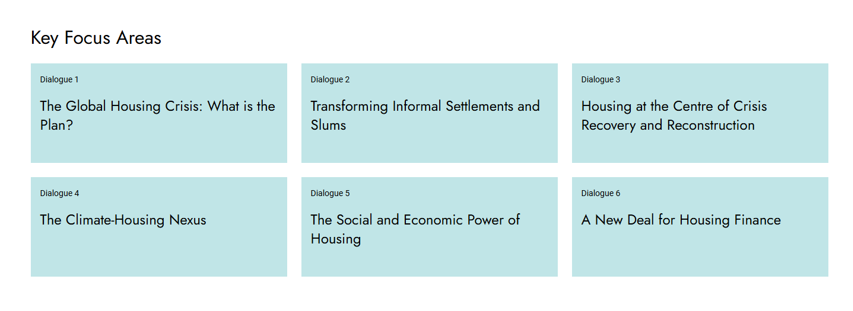
Tip: The Practices Hub is a new section this year and I think it will be particularly relevant for urban journalists!
In March, I was at a smaller, but equally inspiring conference called Urban Future in Ljubljana. I already knew that the Slovenian capital is particularly good at pedestrianisation, so I looked out for interview partners and stories around that topic, while also being mindful of my own experience every day on the way to the conference centre. Here is my article:
Finding interview partners
Once you are at the WUF, I recommend strolling through the Urban Expo, where there are many stalls from all over the world, showcasing innovative products as well as projects and approaches. Not all of them will make for a good story, but again you might be able to do some interviews, identify trends, and collect LinkedIn profiles.
As a registered journalist, you will be able to request interview partners. You will also receive invitations to daily press briefings and special events, which I always find very useful to get an idea of the key developments at the conference. There are also dedicated media zones for doing interviews, filming, and recording.
You will find interview partners from simply attending events and approaching the speakers afterwards. Maybe someone from the audience had a particularly interesting comment or insight – don’t be shy to approach them either. I did that in Cairo two years ago. I attended an event on green spaces in this desert city and a local NGO worker made a critical comment about also protecting blue spaces. I approached her and asked for more information, and she ended up inviting me to a birdwatching tour on the Nile. Here is my story from that:
Be flexible
No matter how well you prepare for a conference of this scale, there will always be surprises. At HABITAT III in Quito, these started with queues that took hours so that you couldn’t even get into the venue on time for the day’s first events. Budget in some extra time, be prepared for the local climate, and bring snacks and drinks!
As a journalist, I recommend signing up for a press pass (free) which will give you access to daily media briefings, a special newsletter, and the media lounge. Bring your business cards, a recorder or a charged phone with a recording app at the ready, your notebook and your laptop. Interviews often happen quite spontaneously – be sure to get the person’s email address for follow-ups and to share your article.
I also recommend being flexible with your schedule. Often, an event might turn out to not be the best fit for you, so feel free to politely and quietly leave and attend another one. This could completely change your article and is a great recipe for finding new topics.
Be gentle with yourself
Every time, I have to remind myself that around 20,000 people are in the same place. It gets loud, it gets busy, and it can really be quite overwhelming. At the same time, it’s full of interesting events, inspiring people, and much more content than you can possibly digest, even if you want to take it all in.
I tend to have only a few must-attend sessions, mostly out of professional and partly out of personal interest, marked in my calendar. I then add back-ups and spontaneous “nice-to-have” sessions. But trust me: After 2-3 workshops, which amount to 6 hours of listening, you will need a break. If you only attend one workshop on any given day, that’s ok too. Make sure to take breaks, find a quiet space, go for a walk, and let your ideas develop.
If you are in Baku, enjoy the city! I always try and sign up for field trips, but even if you can’t, have a walk and find out what lessons this city has to offer. For example, I plan to travel to the WUF by metro every day to take a look at the public transport system and to experience what everyday commuting might look like for locals.
Pitching stories
Now is also the time to start pitching WUF stories to editors. Tell them that you will be attending, online or in-person, and what events you will attend. In addition, you will likely send a few pitches while you are already at the WUF based on stories you find there.
Tip: Identify potential outlets that might publish your story in advance. Your local newspapers as well as solutions journalism outlets are good candidates.
Take some time every day, likely in the evening, to sit down with your story ideas, transcribe interviews, pitch stories, and start writing the ones you have been commissioned with. Most outlets will want to publish your story during or just after the WUF, so there is no time to lose. The more preparation and writing you can do in advance, the better.
For my article on culture in the UAE, I was able to research quite a bit in advance. I also got to attend a fascinating field trip in Abu Dhabi, which supported my pitch and article for Topos Magazine.
Network, network, network
I love going to the World Urban Forum. It is always a very intense week, but it is definitely worth it – personally and professionally. One of the most valuable things for me as a freelancer is the opportunity to network. I have found clients, made great contacts, met future colleagues, and invited others to join and even write for the Urban Solutions Journal. Don’t be afraid to start talking to people, in the press room and beyond.
A good starting point with networking is to look for people from your own or neighbouring countries. Of course, you are here to learn from international examples as well, but it can be much easier to break the ice if you share a mother tongue, a home town, an employer, a city, or an interest specific to your country. Later, you can branch out.
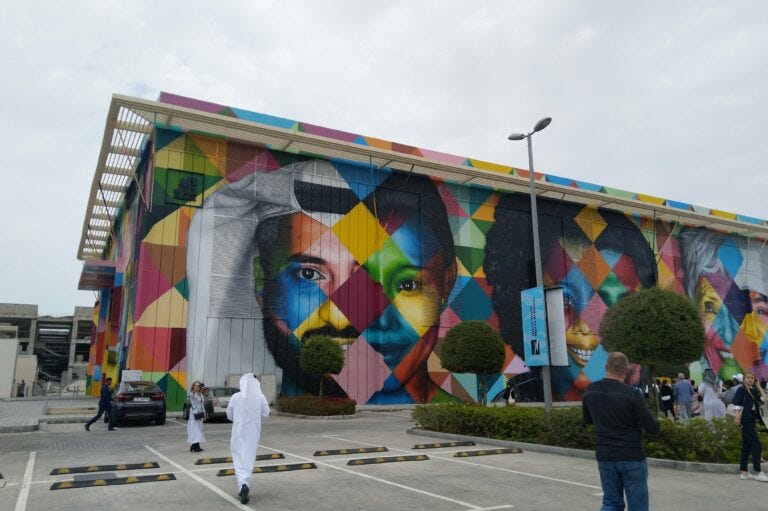
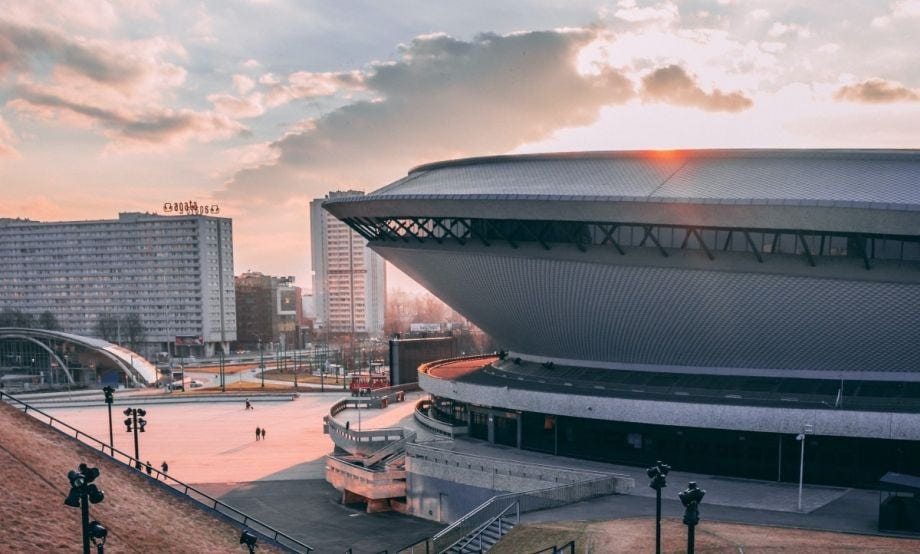
From exploring Dubai to watching a dance festival in Katowice, some of my best WUF memories come from networking and making new urbanist friends.
Read more about my experience in Katowice here.
The World Urban Forum only comes around every two years, and WUF13 in Baku will be one of the largest gatherings of urban minds of this decade so far. Whether you leave with three published articles, a handful of strong contacts, or simply a clearer sense of the global conversation around housing and cities, the World Urban Forum is time well spent. If you are heading to Baku, I hope to see you there. And if you are following along from home, the stories coming out of WUF13 will be worth reading closely. Good luck!
Do you have any questions or additional tips? Leave a comment below!